Enter Presentation

Full-screen mode for showing the deck. Press Esc any time to exit.

← → next / prev  •  Home / End jump
PDHPE • Year 10 Task 3 • Mrs Espanol • Dhakshin • Mridul • Tanisha1 / 10
Regional Reach logo
1 / 10
01 / HEALTH PROMOTION INITIATIVE

Regional
Reach

“You don't have to solve it alone. Start by telling someone you trust.”

A whole-community health promotion initiative for depression & suicide prevention in regional and remote Australia.

TARGET AUDIENCE
Regional & Remote Communities
FRAMEWORK
Awareness → Access → Anchor
Recognise → Connect → Continue
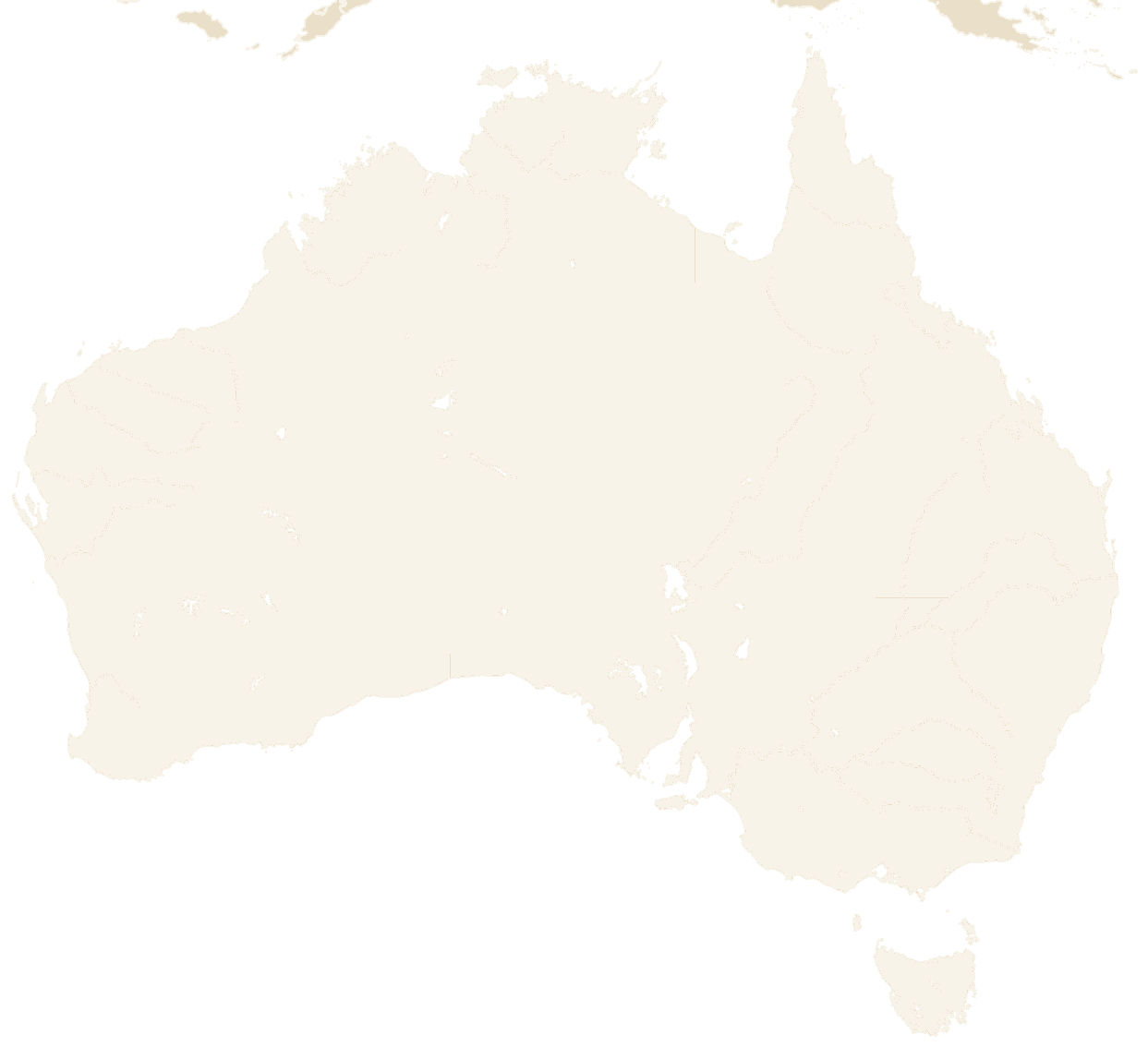
Map of Australia — the regional and remote communities Regional Reach serves
Regional & remote Australia
the communities Regional Reach serves
Created by Mridul, Dhakshin and Tanisha
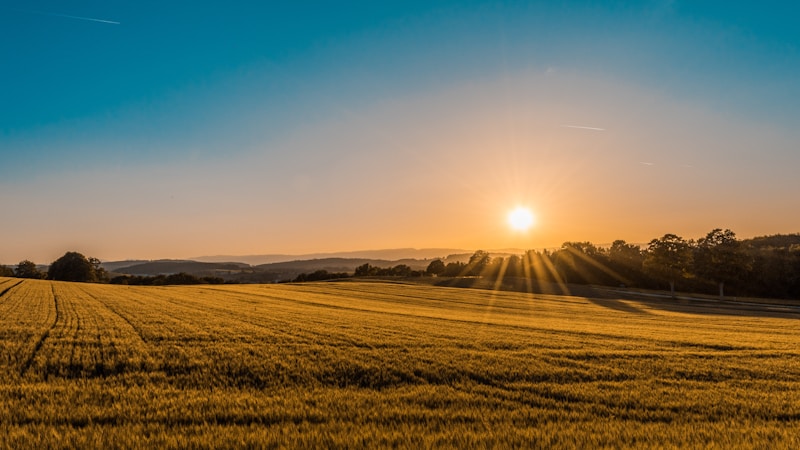
Outback town
02 / AN HOUR FROM HELP

An Hour From Help

“In a community that’s an hour from the nearest GP, who does someone actually turn to — and does help reach them before it’s too late?”

Regional Reach — a health promotion initiative for depression & suicide prevention. Not a new system, a trusted bridge into services that already exist.

Recognise → earlier
Connect → faster
Continue → longer
Target: whole regional/remote community — families, farmers, First Nations, older, young people
Town • 60km radius to nearest GP • Bourke / Kununurra ≈ 1 hr
03 / THE NUMBERS BEHIND THE SILENCE

The Numbers Behind the Silence

The gap is distance — and access. Not awareness.

20.5–24.6

per 100k
Remote & very remote
AIHW 2023

vs 9.9–10.9 Major cities
~2× higher

1/5

Remote access
vs city rate
RFDS 2022

1 in 5 vs city • ~20%

3,326

died by suicide
Australia, 2024
ABS 2024

≈ 9 lives
every day

FIGURE 1 — SUICIDE RATE (per 100k) • AIHW 2023

FIGURE 2 — ACCESS VS NEED • RFDS 2022 / ABS 2024

Each bar is a community, not a number — Bourke, Kununurra, and every town between.
Bourke (NSW) & Kununurra (WA) vs Sydney/Melbourne • roughly 1 in 5 can access help locally • Hover or tap any bar for the exact figure & source
04 / NOT ONE COMMUNITY, MANY

Not One Community,
Many

Whole-regional approach — tailored bridges for each group.
FamiliesGP / MCH nurse
→ trusted bridge
FarmersFin. counsellor
→ trusted bridge
First NationsAHW / Elder
→ community leads
OlderGP / aged-care
→ trusted bridge
Young peopleSchool counsellor
→ trusted bridge
AllTrusted bridge
→ familiar face first
Barriers differ: transport • privacy / stigma • distance & cost • cultural fit • economic pressure (drought, unstable incomes)
05 / RECOGNISE • CONNECT • CONTINUE

Recognise, Connect, Continue

Awareness → Access → Anchor — one connected pathway, not a one-off referral.
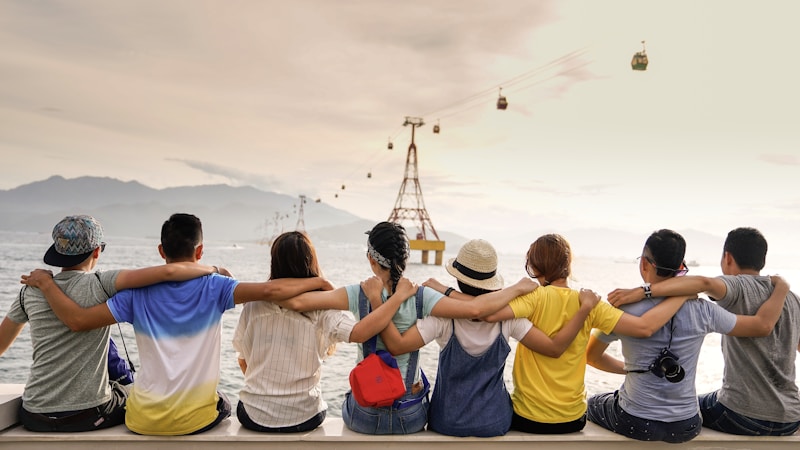
Noticing change — aware of someone who knows this place

01 AWARENESS
Hear it from someone who knows this place
A trusted local starts the conversation
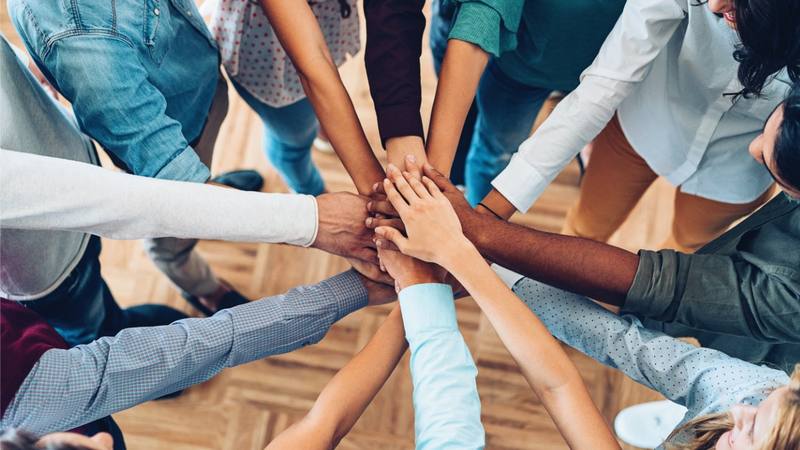
Connected hands stacked — you don't need to find help alone

02 ACCESS
You don't need to find help alone
A familiar face bridges you to support
Anchor — help comes back, recurring outreach

03 ANCHOR
Help comes back
Outreach that returns — RFDS, ACCHO, GP
Multiple doors in, so no single point of failure — a private worry becomes a first conversation.
06 / A VOICE THEY ALREADY TRUST

A Voice They Already Trust

Community-voiced radio — trusted locals, not outside campaigners.

Community radio studio — distinct angleON AIR • LOCAL RADIO
🎙 LOCAL RADIO + ABC COUNTRY HOUR • CWA / SCHOOL / SHOW NEWSLETTERS
“After harvest, I was flat — not sleeping, snapping at the kids. I talked to a mate from the footy club. He just listened and walked me to…”
RECOGNISE
Notice changes — withdrawal, sleep
RELATE
You might feel… pressure, loneliness
RESPOND
Talk to someone you trust — today
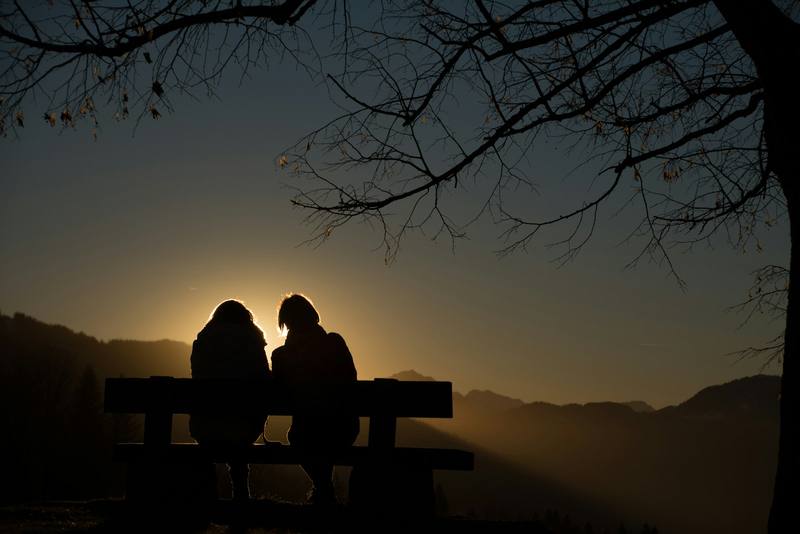
Two locals talking at sunset — the right voice is someone already trusted
NOT ONE VOICE — THE RIGHT VOICE
Farmers → local farmer / drought, finance
Families → recognising changes in partner/child
First Nations → WITH not for — Elders & ACCHOs shape
Older → ABC Country Hour + print
Migrants → bilingual radio → translated
Young people → youth-voiced + school activity
🌐 Translated versions available — bilingual radio + translated newsletters
07 / WHAT WOULD YOU DO?

What Would You Do?

Interactive branching-scenario workshop — The Check-In.
THE SCENARIO
A friend is withdrawn — quiet, not sleeping. What would you do?
✕ Try to solve it alone
Carry it alone • no boundaries • miss the connect step
✓ Connect them to someone who can help
“I’ve noticed __, I’m worried…” • walk with them to a trusted bridge • you don’t need the right words
You don't need to have the right words. You just need to help them reach the right person.

WHY CONNECTING WORKS — % SIGNIFICANTLY IMPROVED AFTER EARLY SUPPORT

headspace early-intervention outcomes • Rickwood et al. 2023, PLOS ONE (n=58,233)
Run of show — 5m Hear • 15m Practise a line • 15m Map your bridges • 10m Self-care plan • 5m Close + take-home card
08 / HELP THAT COMES BACK

Help That Comes Back

Ongoing contact — not a one-off event.
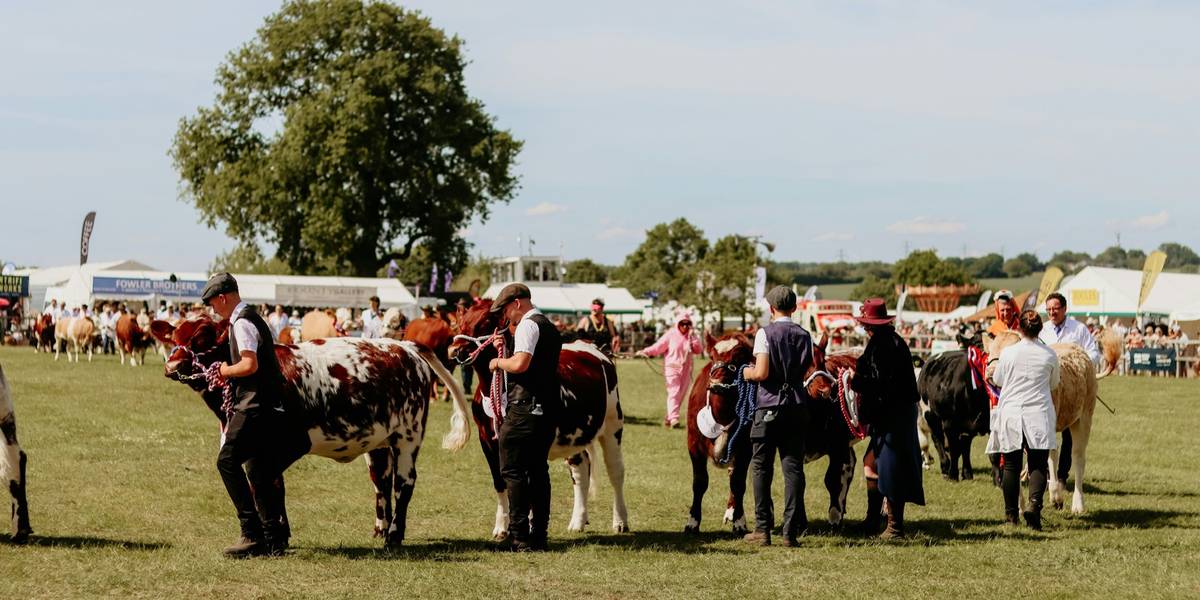
Community gathering — field day, where outreach returns
Outreach where you already gather.

Farmers &
families

Ag shows,
field days

First
Nations

ACCHO-led
visits

Older
residents

GP & health
continuity

Students

School-term
Check-Ins

Outreach timed to when people already gather — not an extra trip.
MULTIPLE PATHWAYS — NO SINGLE POINT OF FAILURE
RFDS telehealth & outreach
Where local services don't exist
headspace online + phone
12–25 yrs, non-geographic
Beyond Blue 24/7
Online counselling, anytime
GP / ACCHO
Local continuity
09 / NUMBERS WORTH MEMORISING

Numbers Worth Memorising

Not one number — the same numbers, everywhere, until they're remembered.
If you or someone else is at immediate risk — call 000 or go to your nearest emergency department.
Lifeline
13 11 14
24/7 crisis • text 0477 13 11 14
13YARN
13 92 76
First Nations crisis • 24/7
Beyond Blue
1300 22 4636
24/7 counselling + chat
Kids Helpline
1800 55 1800
5–25 yrs • phone/webchat
headspace
headspace.org.au
12–25 yrs • centres/online/phone
School counsellor / GP / ACCHO
In person
No phone needed • first bridge
RFDS Mental Health & Wellbeing Service — free telehealth + outreach
Repeated uniformly — same numbers on card · poster · newsletter · radio footer
10 / THE BRIDGE, NOT A NEW SYSTEM

The Bridge, Not a New System

The problem is access, not awareness. Regional Reach doesn’t build a new system — it connects people into services that already exist.
Recognise → Connect → Continue
Outback road at dusk toward the horizon — the bridge ahead
“You don’t have to solve it alone. Start by telling someone you trust.”
Behind every statistic is a community, not a number — Bourke, Kununurra, and every town in between.
Improving health literacy, strengthening connections, reducing barriers — for immediate help-seeking & longer-term wellbeing.